Source Magnetic Far Infrared Eye Mask for Sleep, Therapy, and Care
Find and compare 30 magnetic far infrared eye mask options from China. Evaluate features like heating, materials, and certifications to select the right device for sleep aid, pain relief, or physical therapy applications.
Key considerations
Products List






Comprehensive Sourcing Guide
Magnetic Far Infrared Eye Mask Sourcing Guide
Sourcing magnetic far infrared eye masks requires a nuanced understanding of the intersection between traditional wellness devices and modern textile engineering. These products are typically positioned as therapeutic aids for eye fatigue, dark circles, and puffiness, leveraging the purported benefits of far-infrared radiation and magnetic therapy to improve local blood circulation. Buyers must navigate a market where marketing claims often outpace standardized clinical validation, making rigorous supplier verification and specification clarity paramount. The core value proposition for end-users is non-invasive relief, but for the procurement team, the challenge lies in distinguishing between genuine electro-therapeutic devices and simple heated masks with added decorative magnets.
This guide provides a structured approach to evaluating suppliers, verifying technical claims, and managing commercial risks associated with this product category. By focusing on observable listing signals, technical specifications, and compliance documentation, buyers can build a resilient supply chain. The following sections detail the critical checkpoints for sourcing these items, ensuring that the final product meets both functional expectations and regulatory requirements in target markets.
Product Scope and Observed Listing Signals
The current market landscape for eye masks reveals a diverse range of product configurations, from simple fabric covers to complex electronic devices. Observed listings indicate a wide price range, typically spanning from low-cost fabric options to higher-priced electronic units with heating elements. This variance often correlates with the inclusion of active components such as USB-powered heating films, carbon fiber elements, or graphene heating layers. Buyers should note that while some products are marketed as "magnetic," others rely on thermal therapy or electrical stimulation, so the specific feature set must be explicitly confirmed in the product description rather than assumed from the category title.
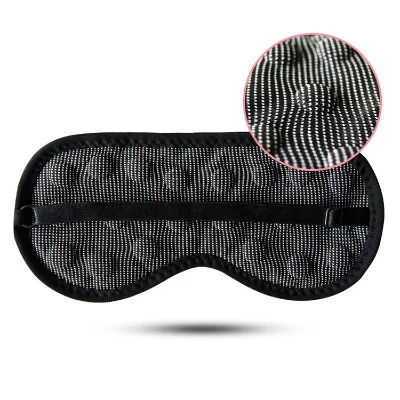
Material composition is another key differentiator visible in listing signals. Common materials include silk, flannel, silicone, and specialized fabrics like "Ok Cloth" or carbon fiber blends. The choice of material impacts both user comfort and the efficacy of heat retention or magnetic field distribution. For instance, silk and flannel are often used for passive warmth and skin comfort, while silicone or structured fabrics may be required to maintain the position of magnetic elements or heating films. Procurement teams should request material certificates or detailed composition breakdowns to ensure the claimed materials match the physical product, particularly when high-value electronic components are integrated into textile structures.
Technical Specifications to Verify
Technical verification begins with the power supply and heating mechanism, which are critical for safety and performance. Many modern eye masks utilize USB-powered heating elements, often operating at 5V and requiring a power bank of specific capacity, such as 1000mAh or 10000mAh, for optimal function. Buyers must verify the voltage stability and the quality of the heating film, with carbon fiber and graphene being common claims. It is essential to confirm the temperature control mechanism, whether it is a simple on/off switch or a multi-speed timer, and to ensure the maximum heating temperature does not exceed safe limits for prolonged skin contact, typically around 50-70 degrees Celsius.
Structural and dimensional specifications are equally important for user fit and product consistency. Standard sizes often range around 30-40 cm in length, with specific dimensions like 31x10.5cm or 40.5x10cm being common. Buyers should verify whether the product offers customized sizing or if it adheres to a standard model number, such as JY-EM008 or EM-001. Additionally, the presence of an LCD or IPS display for temperature monitoring is a feature that adds value but also increases complexity and potential failure points. Confirming the weight of the device, often around 80g, helps assess portability and user comfort during extended use.
Compliance and Safety Documentation
Regulatory compliance is a non-negotiable aspect of sourcing electronic wellness devices. Buyers must ensure that suppliers provide valid certification documents, such as CE and FDA approvals, which indicate adherence to safety and performance standards in key markets. These certifications should cover not just the final product but also the electronic components, such as the USB cable and heating film. It is crucial to verify the scope of these certifications to ensure they explicitly cover the specific model and its electrical characteristics, as generic certifications may not apply to all variants within a supplier’s catalog.
Electrical safety standards must be rigorously checked to prevent risks such as overheating, short circuits, or battery explosions. Buyers should request test reports for electrical insulation, leakage current, and temperature rise under normal and fault conditions. While some listings may mention Rohs compliance, this is often a background claim that requires independent verification. Procurement teams should insist on detailed test data from accredited laboratories, focusing on the safety of the heating element and the durability of the power supply interface, to mitigate liability and ensure user safety.
Cost Drivers and Commercial Terms
The cost structure of magnetic far infrared eye masks is influenced by several factors, including material quality, electronic component complexity, and packaging requirements. High-end models with graphene heating films and digital displays will naturally command higher prices than basic fabric masks with simple heating elements. Buyers should analyze the bill of materials to understand the cost breakdown, paying attention to the price of the heating film, the control board, and the power bank compatibility. Customization options, such as branded packaging or unique sizing, can also impact the unit cost, so it is important to clarify these variables early in the negotiation process.
Minimum Order Quantities (MOQ) and lead times are critical commercial terms that affect inventory management and cash flow. Observed MOQs can range from small quantities for sampling to large volumes for mass production, often starting at 1 unit for samples and scaling up to 200,000 units for bulk orders. Buyers should negotiate flexible MOQs for initial orders to test market response before committing to large volumes. Additionally, lead times can vary based on the complexity of the product and the availability of electronic components, so it is essential to establish clear delivery schedules and penalties for delays to maintain supply chain reliability.
Supplier Qualification and Quality Control
Supplier qualification involves assessing the manufacturer’s capability to produce consistent, high-quality products. Buyers should verify the supplier’s production capacity, quality control processes, and experience in manufacturing electronic wellness devices. Factories with established QC teams and standardized production lines are more likely to deliver products that meet specifications consistently. It is advisable to conduct factory audits or request third-party inspection reports to evaluate the supplier’s adherence to quality standards and their ability to manage production risks.
Quality control measures should be implemented at multiple stages of the production process, from incoming material inspection to final product testing. Buyers should define clear acceptance criteria for key attributes, such as heating uniformity, magnetic field strength, and electrical safety. Random sampling and functional testing of finished goods are essential to detect defects before shipment. Establishing a robust quality agreement with the supplier, including provisions for rework and replacement of defective items, helps protect the buyer’s interests and ensures that the final product meets the expected performance standards.
Long-Term Procurement Checks
Long-term procurement success depends on continuous monitoring of supplier performance and market trends. Buyers should regularly review supplier metrics, such as on-time delivery rates, defect rates, and responsiveness to issues, to identify potential risks early. Building a strong relationship with the supplier through regular communication and joint problem-solving can enhance collaboration and improve product quality over time. Additionally, staying informed about changes in regulatory requirements and technological advancements in the eye mask market allows buyers to adapt their sourcing strategies proactively.
Product lifecycle management is also crucial for maintaining competitiveness. Buyers should evaluate the need for product updates or variations based on customer feedback and market demand. This may involve upgrading heating elements, improving battery efficiency, or enhancing design aesthetics. By maintaining a flexible and responsive supply chain, buyers can ensure that their product offerings remain relevant and compliant, securing long-term profitability and customer satisfaction in the dynamic wellness device market.
FAQs
What materials are used in these eye masks?
The eye masks utilize materials such as silk, carbon fiber, and ok cloth elastic with flannel. Some models feature graphene heating films for thermal therapy. Silicone components are also present in specific designs. These materials are selected for comfort, durability, and effective heat retention during use.
Can the eye masks be customized for branding?
Yes, customization is available for these products. Buyers can request specific packaging options, including silk bags, boxes, or standard export cartons. Customized sizes are also offered alongside standard dimensions like 40.5x10cm or 31x10.5cm. This allows for tailored branding and fit requirements.
How does the heating function work?
The heating function relies on carbon fiber elements and graphene heating films. It operates via a USB switch cable, typically using a 5V power supply from a power bank. The temperature can be controlled, often reaching 50-70 degrees Celsius, with some models featuring three-speed timing controls.
What certifications do these products hold?
Selected models hold FDA and CE certifications, indicating compliance with relevant safety and quality standards. These certifications are crucial for market entry in regulated regions. Buyers should verify specific model numbers like VNM01 for documented certification status before procurement.
What are the typical packaging options?
Packaging varies by model and buyer preference. Options include silk bags, individual boxes, and standard export cartons. Some items are packed in bags or cartons for bulk shipping. The origin is typically Guang Dong or Dongguan, China, ensuring standardized export-ready packaging for international logistics.
What are the main functions of these masks?
These masks serve multiple functions including pain relief, physical therapy, and improving blood circulation. They are designed to reduce dark circles, anti-puffiness, and anti-wrinkle effects. The electrotherapeutic theory supports their use in ophthalmology and general wellness for adults.